Objavljeno: 17.6.2026 | Posodobljeno: 8.7.2026 | Dogodek: 10.6.2026 ob 17:30: Prostori Galerije Družina (Krekov trg 1, Ljubljana)
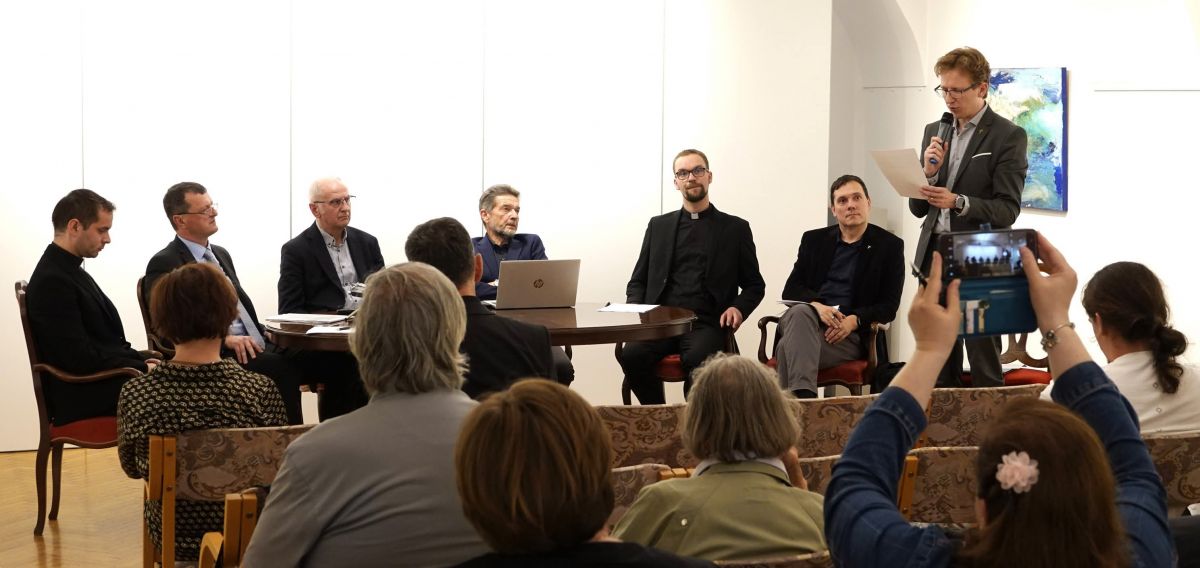
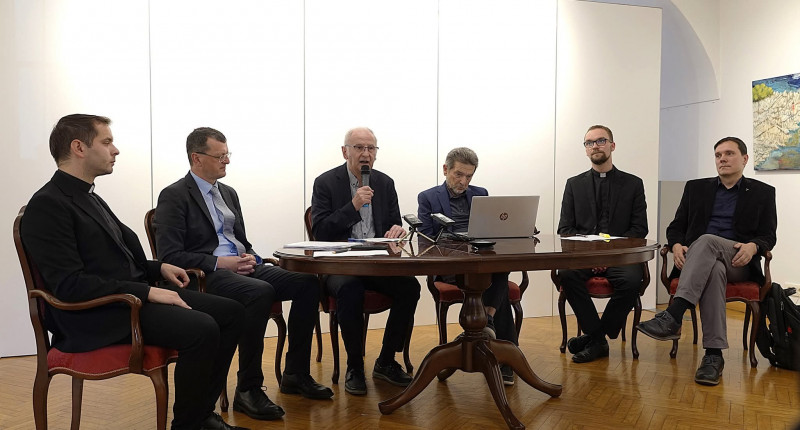
On Wednesday, 10 June 2026, the Department of Moral Theology at the Faculty of Theology of the University of Ljubljana organised a conference titled “First Reactions to the Encyclical Magnifica Humanitas” at the Družina Gallery. The event was dedicated to Pope Leo XIV’s first encyclical, which, in an era of rapid developments in artificial intelligence, raises questions regarding the protection of the human person, human dignity, and the common good.
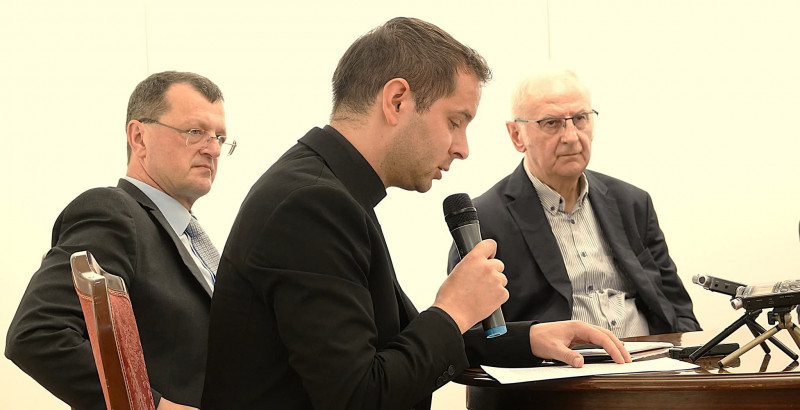
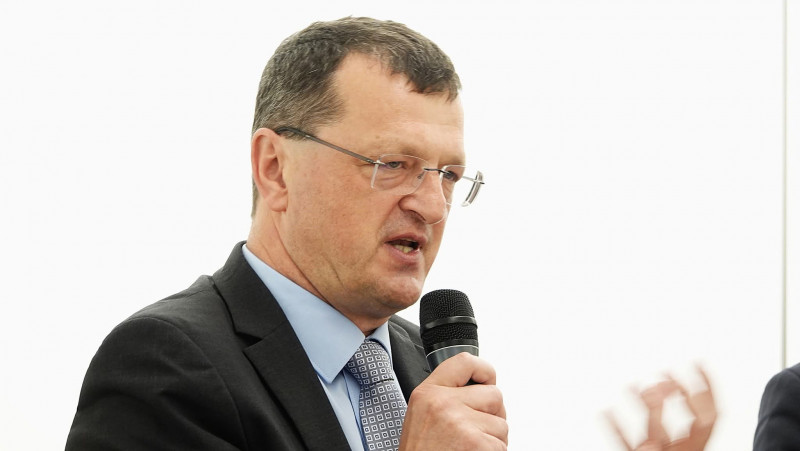
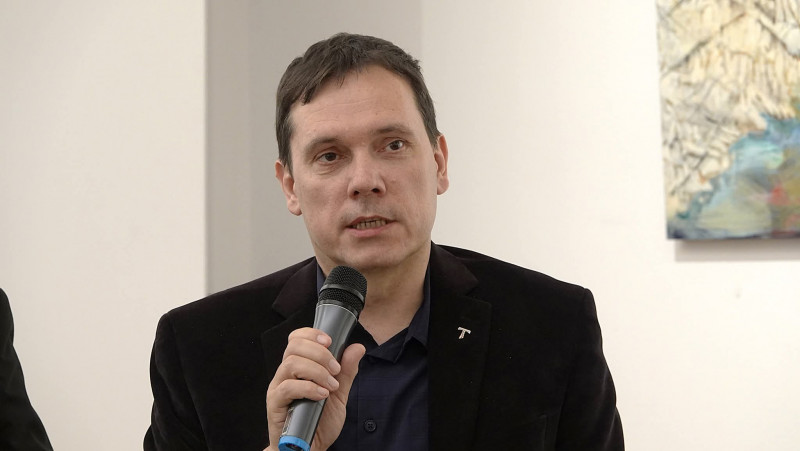
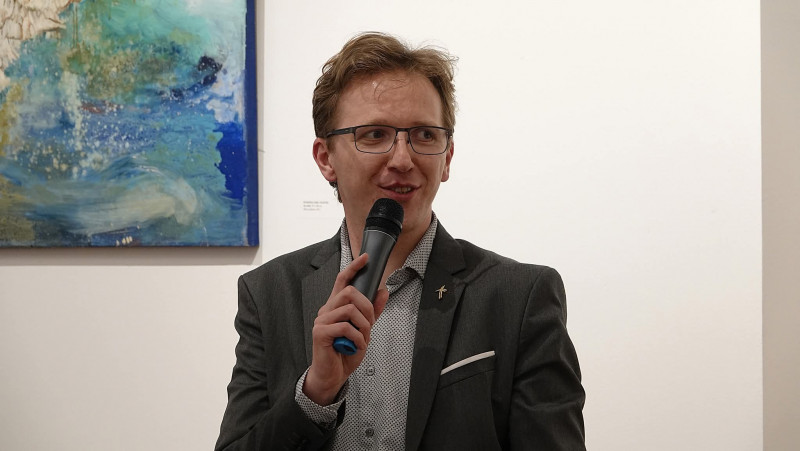
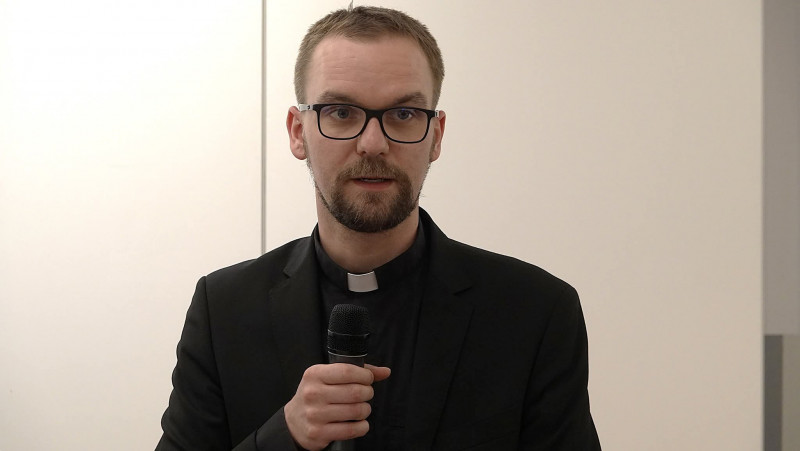
Participants in the conference included Prof. Dr Stjepan Baloban from the Catholic Theological Faculty in Zagreb, Marko Grobelnik and Prof. Dr Matjaž Gams from the Jožef Stefan Institute, Assoc. Prof. Dr Ivan Štuhec, and members of the Department of Moral Theology at the Faculty of Theology, University of Ljubljana: Prof. Dr Roman Globokar, Assoc. Prof. Dr Tadej Strehovec, Asist. Prof. Dr Gabriel Kavčič, and Asist. Prof. Dr Štefan Hosta. The event was moderated by Asist. Prof. Dr Martin Perčič.
The meeting was conceived as the first scholarly response to the encyclical
The discussion explored the social scientific, theological-biblical, ethical, pedagogical, and technological aspects of the document and demonstrated that Magnifica Humanitas addresses issues of artificial intelligence not merely from a technical perspective, but above all from an anthropological and socially responsible one.
The discussion focused on issues of human dignity, the responsible development of new technologies, the role of the Church’s social teaching, the importance of critical judgement, challenges in education, and ethical boundaries in the use of artificial intelligence in areas that directly affect human life. The presentations showed that the encyclical can be read as an invitation to dialogue between theology, science, technology, and society at large.
Particular emphasis was placed on the document’s relevance as a social encyclical that addresses the challenges of the modern world, from education and work to politics, international relations, and war. The speakers stressed that Pope Leo XIV regards artificial intelligence as one of the key issues of our time, demanding the integration of technological development with the principles of human dignity, solidarity, and the common good. The theological foundations of the encyclical were also presented, together with its connection to the Church’s social teaching and the biblical imagery that highlights the choice between a culture of power and a civilisation of love.
The discussion considered the impact of artificial intelligence on learning, work, social relations, the formation of public opinion, and political decision-making. Particular emphasis was placed on the challenges facing education, the need for critical thinking, issues of academic integrity, and the danger of entrusting important decisions to algorithms. Attention was also given to the use of artificial intelligence for military purposes, with the circular stressing that decisions regarding life and death must not be left to technological systems that lack moral accountability.
The conference underscored the need for sound discernment
Artificial intelligence offers significant opportunities for development but at the same time requires clear ethical standards, accountability, and a commitment to the common good. In this sense, the encyclical Magnifica Humanitas opens the door to further academic, ecclesial, and public discussion on how technological development should remain at the service of genuinely human life. The participants agreed that the document makes an important contribution to understanding contemporary technological change and encourages further dialogue between theology, science, and society.